Signs you may need dentures instead of dental implants include losing most or all of your teeth, having significant jawbone loss, managing certain medical conditions like uncontrolled diabetes, and needing a non-surgical solution that fits your budget. According to the American College of Prosthodontists, 178 million Americans are missing at least one tooth, and roughly 36 million have lost all of their teeth. For many of these patients, dentures are the more practical and realistic path to restoring their smile.
This article breaks down the specific signs that point toward dentures over implants, explains who makes a strong candidate for each option, and helps you understand what to expect from both. At our Cinnaminson, NJ office, we see patients every week who are weighing these two options, and the right answer is different for everyone.
Signs You May Need Dentures Instead of Dental Implants
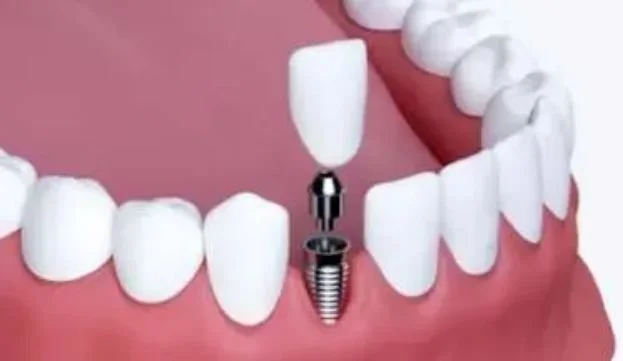
The signs that you may need dentures instead of dental implants come down to a few key factors: the number of teeth you have lost, the condition of your jawbone, your overall health, and your personal priorities. Both dentures and implants replace missing teeth, but they work in very different ways. Implants are titanium posts surgically placed into the jawbone. Dentures are removable appliances that sit on top of your gums. Each has a clear set of strengths, and each works better in certain situations.
The decision is not about one being "better" than the other. It is about which one is better for you. Here are the signs that dentures may be the right fit.
You Have Lost Most or All of Your Teeth
The more teeth you are missing, the more dentures make sense. A single missing tooth or a gap of two to three teeth is often best handled with an implant or a bridge. But when you are missing most of an arch, or all of your teeth, complete or partial dentures become the more efficient solution.
The CDC reports that 26% of adults aged 65 and older have 8 or fewer remaining teeth. More than 15% of adults in that age group have lost all of their teeth. For these patients, placing a full arch of individual implants would require extensive surgery, months of healing, and a significantly higher investment. A complete denture replaces every tooth in one prosthetic and can be fabricated in just a few appointments.
The American College of Prosthodontists estimates that about 90% of people who have lost all their teeth wear dentures. There is a reason for that. When tooth loss is widespread, dentures deliver a complete restoration faster and with less physical demand on the patient.
You Have Significant Jawbone Loss
Dental implants need a solid foundation of bone to anchor into. If your jawbone has thinned or deteriorated after years of missing teeth, you may not have enough bone density to support implants without additional procedures. A 10-year retrospective study published in the National Journal of Maxillofacial Surgery found that implants placed in the lowest quality bone (Type IV) had a failure rate of 20.6%, compared to just 4.37% in healthy patients with good bone.
Bone grafting can rebuild lost bone, but it adds time, cost, and another surgical procedure to the treatment plan. For patients in Cinnaminson and Burlington County who want to avoid additional surgery, dentures provide a way to restore function without requiring any bone augmentation.
It is also important to understand that bone loss continues after teeth are removed. Research shows that patients can lose 25% or more of their jawbone width in the first year after extractions. If several years have passed since your teeth were lost, the bone may have changed enough that dentures are the more straightforward option.
Your Health Makes Surgery a Risk
Implant placement is a surgical procedure. It requires local anesthesia, drilling into the jawbone, and a healing period of several months while the bone fuses around the titanium post. For most healthy adults, this process is safe and predictable. Dental implants carry a success rate of about 95% to 97% at the 10-year mark, according to a study published in the Journal of Oral Medicine and Oral Surgery.
But certain health conditions raise the risk of implant failure or slow healing to a point where surgery is not the safest choice. A study published in PubMed found that patients aged 60 to 79 had a 2.24 times higher risk of implant failure compared to patients under 40. Smokers face more than double the risk of early implant failure, according to a systematic review covering over 150,000 implants. Uncontrolled diabetes, a history of head and neck radiation, and long-term use of bisphosphonate medications are also associated with higher complication rates.
Dentures require no surgery for placement. The process involves impressions, bite measurements, trial fittings, and final delivery. For patients with medical conditions that make surgery risky, dentures offer a safe, effective alternative that still restores the ability to eat, speak, and smile.
You Need a More Affordable Option
Cost is one of the biggest factors in the dentures vs. implants decision. A single dental implant can cost between $3,000 and $6,000 when you include the post, abutment, and crown. Replacing an entire arch with implants, such as an All-on-4 procedure, can cost significantly more. For patients who need both arches restored, the total investment climbs quickly.
A complete set of dentures is substantially less expensive. Most PPO dental insurance plans cover some or all of the cost of dentures, making them accessible to a wider range of patients. At our office, we accept most major PPO insurance plans and partner with CareCredit for flexible monthly payment options.
Dentures do need replacement every 5 to 10 years, according to the American Dental Association, due to natural changes in the jawbone and gum tissue. Even with periodic replacements, the lifetime cost of dentures is often lower than a single round of implant treatment. For patients in Cinnaminson who are balancing oral health with their budget, dentures provide reliable function at a realistic price point.
You Want to Avoid a Long Treatment Timeline
The dental implant process takes time. After the implant post is placed, the jawbone needs 3 to 6 months to fuse around it through a process called osseointegration. Only after this healing period can the abutment and crown be attached. If bone grafting is needed first, the total timeline can stretch to 9 months or longer.
Dentures move much faster. From first impression to final delivery, most patients receive their dentures within a few weeks. Immediate dentures can even be placed on the same day as extractions, so you never go without teeth during the healing period.
For patients who need to get back to eating, speaking, and living their daily life quickly, dentures offer a faster path to restoration. We walk every patient through the full timeline at their initial consultation so there are no surprises.
You Have Gum Disease That Has Not Been Fully Resolved
Active periodontal disease is a disqualifier for dental implants. Implants require healthy gum tissue and a clean surgical environment to integrate properly. Peri-implantitis, a bacterial infection around the implant, accounts for more than 60% of late implant failures, according to peer-reviewed research indexed by the National Institutes of Health.
If you have a history of advanced gum disease and your tissue has not fully healed or stabilized, placing an implant carries a higher risk of infection and failure. Dentures can still be fabricated and worn while gum health is being managed. In many cases, patients start with dentures and later transition to implants once their periodontal condition has improved and stabilized.
Our team evaluates gum health thoroughly before recommending any restoration. Patients in the Cinnaminson and Moorestown area can schedule a consultation to find out where they stand and which option makes sense right now.
Dentures vs. Dental Implants: A Side-by-Side Comparison
Both options have real strengths. This comparison lays out the key differences so you can see where each one fits.
Factor
Dentures
Dental Implants
Surgery required
No
Yes
Treatment timeline
A few weeks
3 to 9+ months
Bone density needed
Not required
Sufficient bone required; grafting may be needed
Removable
Yes, taken out nightly
No, permanent
Prevents jawbone loss
No
Yes, stimulates bone
Average lifespan
5 to 10 years (ADA)
15+ years to lifetime
Biting force
About 20% of natural teeth (Ohio State University)
Close to natural teeth
Best for
Extensive or total tooth loss, bone loss, budget-conscious patients
Single or multiple teeth, adequate bone, long-term investment
Sources: American Dental Association, American College of Prosthodontists, Ohio State University College of Dentistry, National Institutes of Health
We offer both dentures and dental implants at our Cinnaminson office. The right choice depends on your specific oral health, your medical history, and your goals. We help patients evaluate both options honestly during their consultation.
When Dental Implants Are the Better Choice
Implants are the better option when specific conditions are met. If you are missing one to a few teeth, have healthy gums, have adequate jawbone density, and are in good overall health, implants provide the closest thing to natural teeth. They fuse directly with the jawbone, preserve bone structure, and function without any slipping or adhesive.
Implants are also the only tooth replacement option that actively prevents further bone loss. After a tooth is removed, the jawbone in that area begins to shrink because it no longer receives stimulation from the tooth root. Implants replace that root and keep the bone active. For younger patients or those missing just a few teeth, the long-term benefits of implants often outweigh the higher upfront cost.
If you are considering implants, our team can evaluate your bone density, gum health, and medical history to determine whether you are a strong candidate. Patients can read more about what to expect from the procedure on our dental implants blog post.
What to Expect When Getting Dentures
Getting dentures is a straightforward process. It starts with an exam where we assess your remaining teeth, gums, and jawbone. If teeth need to come out first, we schedule extractions and allow the tissue to heal.
Next, we take detailed impressions of your mouth. These molds capture the exact shape of your gum ridges so the denture fits snugly. We also record bite measurements to make sure the upper and lower teeth align correctly. A trial version of the denture is created for a try-in appointment where we check the fit, color, and shape.
The final denture is fabricated in a dental lab and delivered at a follow-up visit. Most patients need one or two adjustment appointments after delivery to fine-tune the fit. It can take a few weeks for your mouth to fully adapt to wearing new dentures. Minor soreness is normal during this period and resolves quickly with small adjustments.
According to the World Health Organization, the global prevalence of complete tooth loss among adults aged 60 and older is 23%. Dentures remain the most widely used solution for restoring function and appearance for this population.
Frequently Asked Questions
Why Would a Dentist Not Recommend an Implant?
A dentist would not recommend an implant if you do not have enough jawbone density to support the titanium post, if you have uncontrolled diabetes or another condition that impairs healing, if you are a heavy smoker, or if you have active gum disease. A retrospective study published in PubMed found that smokers had a 37% implant failure rate, while healthy patients had just a 4.37% failure rate. Your dentist needs to weigh these risk factors before clearing you for surgery. In cases where implants are not safe, dentures provide a reliable non-surgical alternative.
Can I Eat Normally With Dentures?
You can eat normally with dentures once you have adjusted to wearing them, though some foods will require more care than others. Start with soft foods and gradually reintroduce firmer items over the first few weeks. Dentures restore chewing function, but they provide roughly 20% of the biting force of natural teeth, according to Ohio State University. This means hard, sticky, or very crunchy foods like whole nuts, caramel, and raw carrots should be eaten carefully or cut into small pieces. Most patients find that after the adjustment period, they can enjoy a full and varied diet.
What Are the Permanent Fake Teeth?
The permanent fake teeth are dental implants. An implant consists of a titanium post that is surgically placed into the jawbone, an abutment connector, and a custom crown on top. Once the bone fuses around the post through osseointegration, the implant becomes a permanent part of your mouth. Implants look, feel, and function like natural teeth. They do not need to be removed for cleaning and can last a lifetime with proper care. Our Cinnaminson office offers both implants and dentures so patients can choose the option that fits their needs.
Can a Dentist Pull All Your Teeth at Once for Dentures?
A dentist can pull all your teeth at once for dentures, but the decision depends on your health, the number of extractions needed, and how complex each one is. In many cases, teeth are removed in stages to reduce stress and allow for proper healing. If all teeth are removed at the same time, immediate dentures can be placed that same day. Immediate dentures act as a temporary set while your gums heal. A final set of conventional dentures is fabricated once the tissue has fully stabilized, usually 8 to 12 weeks later.
How Many Hours a Day Should I Wear Dentures?
You should wear dentures during waking hours and remove them every night before bed. During the first few days with new dentures, your dentist may ask you to wear them around the clock, including while sleeping, to identify areas that need adjustment. After that initial period, taking them out at night gives your gum tissue time to rest and recover. Soaking dentures overnight in water or a cleaning solution prevents them from drying out and warping. The American Dental Association recommends daily cleaning with a soft brush and non-abrasive denture cleanser.
What Are Fake Teeth Called but Not Dentures?
Fake teeth that are not dentures include dental implants and dental bridges. A dental implant is a titanium post placed in the jawbone with a crown attached on top. It is permanent and does not come out. A dental bridge is a fixed restoration that is cemented to the natural teeth on either side of a gap. Bridges work best when one to three teeth in a row are missing. Both implants and bridges stay in your mouth full-time, unlike dentures, which are removable. Our team can help determine which type of restoration fits your situation during a consultation at our office.
Can Bad Teeth Affect Your Stomach?
Yes, bad teeth can affect your stomach. When teeth are decayed, infected, or missing, chewing becomes difficult. Food enters the stomach in larger, poorly broken-down pieces, which puts extra strain on digestion. The CDC notes that severe tooth loss, defined as having 8 or fewer teeth, impacts the ability to eat meats, fruits, and vegetables, which can lead to nutritional gaps. Bacteria from oral infections can also be swallowed and may contribute to digestive issues. Replacing missing or damaged teeth with dentures or other restorations helps restore proper chewing and supports better overall health.
Where to Go From Here
Choosing between dentures and dental implants is a personal decision that depends on your teeth, your body, and your life. If you have lost most or all of your teeth, have significant bone loss, are managing a health condition that makes surgery risky, or need a more affordable and faster path to restoration, dentures are a strong and proven option. According to the American College of Prosthodontists, nearly 41 million Americans rely on dentures to eat, speak, and smile every day.
At Alpha Dental in Cinnaminson, NJ, we have been helping patients make this decision for over 30 years. Whether you are leaning toward dentures, exploring implants, or still unsure, we are here to give you an honest evaluation and a clear plan.
If you are in Cinnaminson, Moorestown, or the surrounding Burlington County area, call us at (856) 829-1989 or reach out online to schedule your consultation. We accept most PPO dental insurance and offer CareCredit financing so treatment stays within reach.