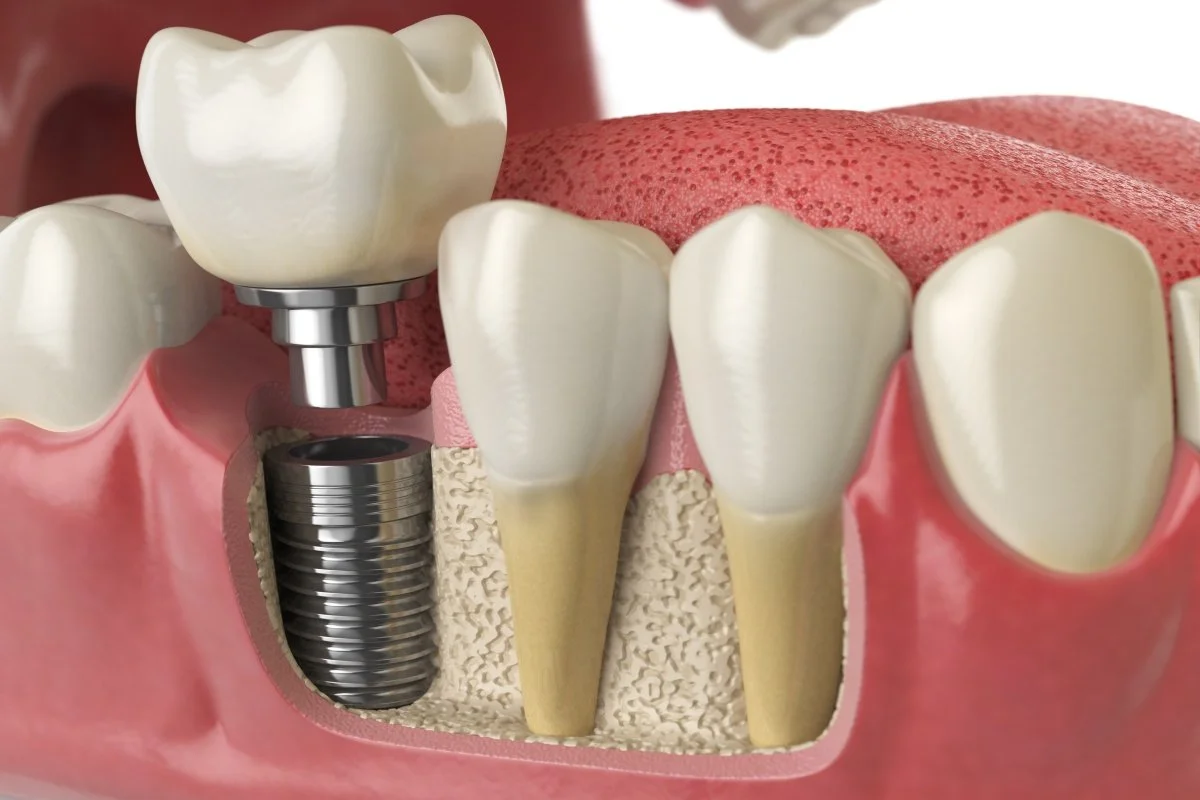
Dental implants offer a long-lasting, natural-looking solution for missing teeth. Yet one question continues to cause hesitation among many patients: Do dental implants hurt?
Pain is one of the biggest fears that keeps people from exploring implant treatment. The truth, however, is that with our current advanced technology and modern anesthesia, dental implants are far more comfortable than most expect.
Let’s separate myth from reality and uncover what you can really expect before, during, and after your procedure.
The Truth About Dental Implant Pain
Fear of dental pain is completely normal. Any surgical procedure inside the mouth sounds intimidating, especially when it involves bone and titanium. But the good news is that modern dental implant procedures are designed to be virtually pain-free.
Using minimally invasive techniques such as computer-guided implant placement and digital 3D imaging, modern implant procedures are incredibly precise and gentle.
These innovations minimize incisions, reduce tissue trauma, and shorten recovery time. This allows most patients to experience only mild discomfort, often less than what they’d feel during a simple tooth extraction.
During the procedure, your dentist will administer local anesthesia to completely numb the area. It ensures that you feel no pain while they place the implant. Many patients report feeling only light pressure or vibration, not pain itself.
Once the anesthesia wears off, it’s normal to experience mild soreness, swelling, or tenderness around the implant site. This is your body’s natural healing response. These side effects are typically minimal and can be managed with over-the-counter pain medication, cold compresses, and rest.
Most patients find that any discomfort fades within 24-48 hours, and they’re able to resume normal activities quickly. With today’s anesthesia and minimally invasive techniques, the overall experience is remarkably comfortable – far easier than most people expect.
At Alpha Dental Spa, patient comfort is a top priority. Our experienced team ensures every step (from numbing to recovery) is handled with care so you can restore your smile without fear or anxiety.
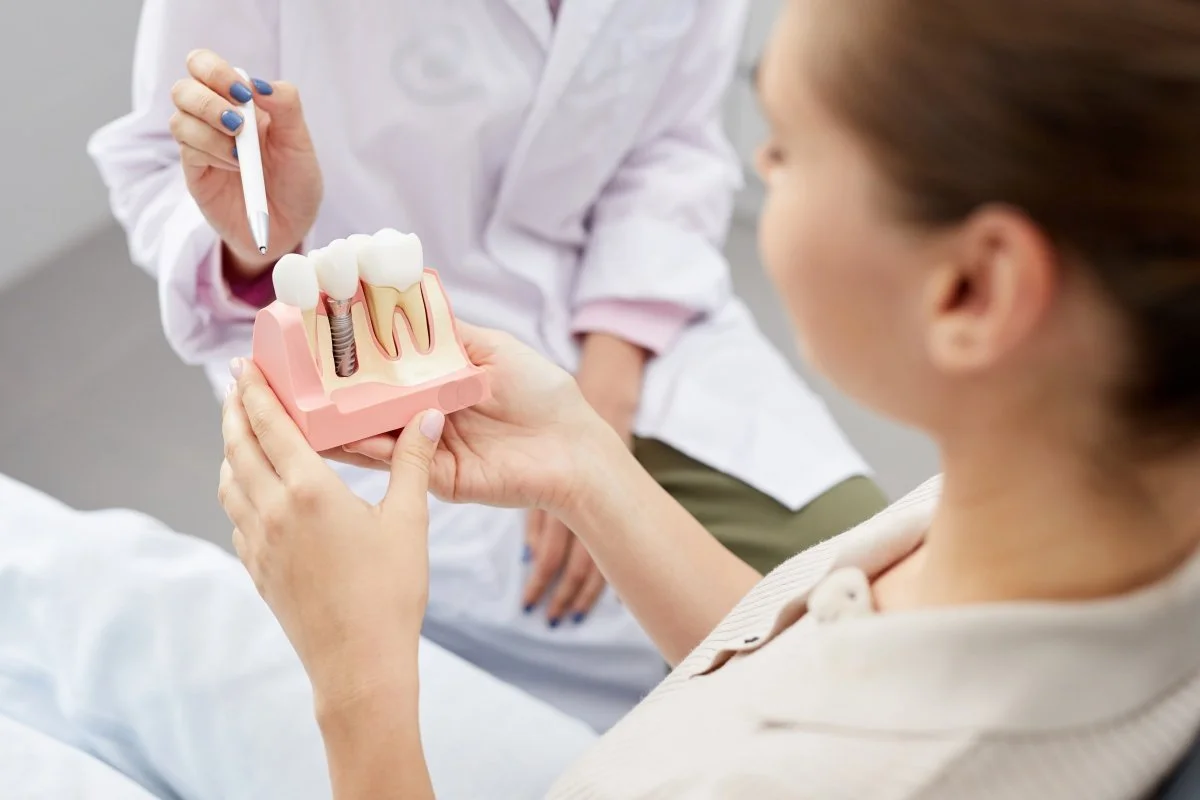
Common Myths About Dental Implant Pain
Even with all these advances, many people still feel nervous about what the procedure might be like. Let’s clear up some of the most common myths about dental implant pain and set the record straight.
Myth #1: Getting Dental Implants Is Extremely Painful
This is one of the most common misconceptions about dental implants. During implant placement, local anesthesia ensures you remain completely numb.
For those with dental anxiety, sedation options such as nitrous oxide (“laughing gas”) or IV sedation are also available. You won’t feel pain, just light pressure or vibration.
Many patients are surprised by how quick and comfortable the process feels. In fact, some even experience less discomfort than with a cavity filling or tooth extraction.
After surgery, any mild tenderness can be easily managed with over-the-counter pain medication.
Myth #2: The Recovery Process Is Long and Painful
Most patients are back to their normal routines within 24 to 48 hours. While some soreness or swelling may occur for a day or two, it’s typically mild and improves quickly.
Following your dentist’s aftercare instructions makes a huge difference. That means eating soft foods, resting, using ice packs, and maintaining gentle oral hygiene – all of which help to speed up recovery and minimize discomfort.
Myth #3: Dental Implants Cause Ongoing Pain
Once your mouth has healed and the implant has integrated with your jawbone (a process called osseointegration), it should feel completely natural. You shouldn’t experience any pain or sensitivity.
If you ever notice persistent discomfort, it could signal an easily treatable issue such as a minor infection or bite imbalance. Regular checkups ensure that any such problems are quickly identified and corrected.
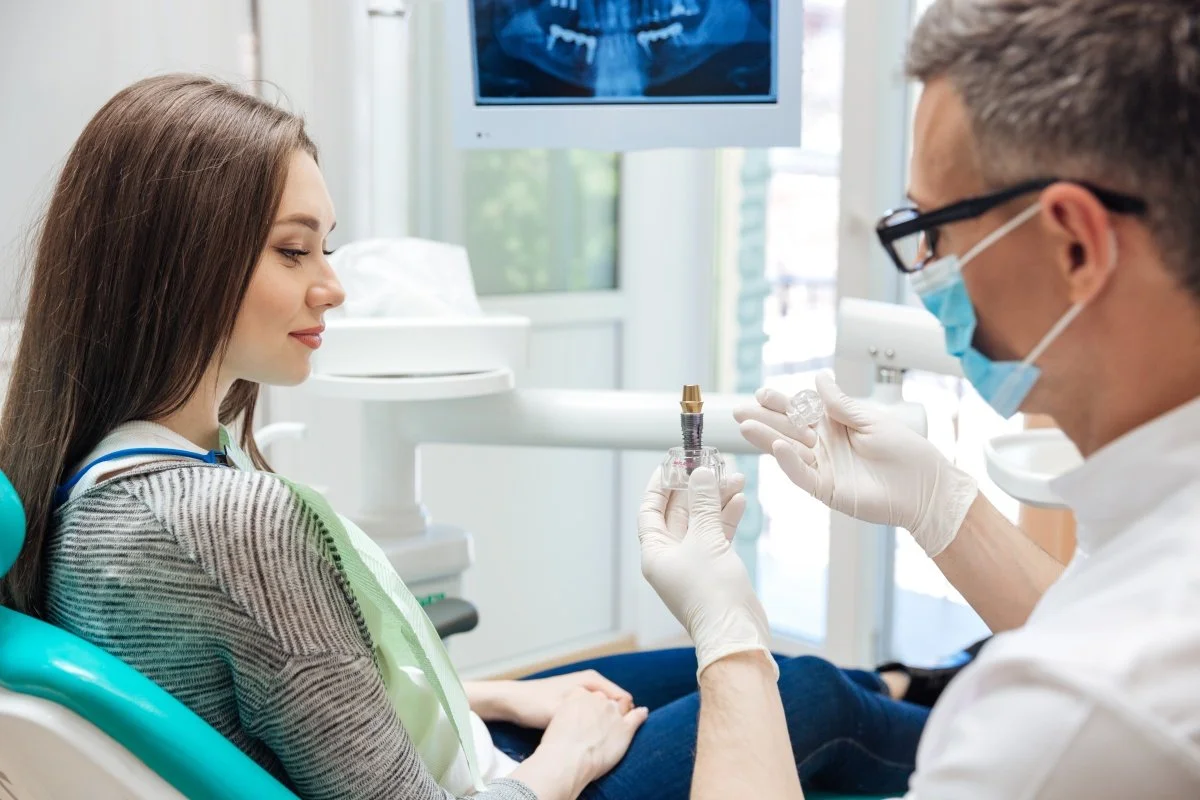
Myth #4: Pain Means the Implant Is Failing
Mild discomfort doesn’t necessarily mean something is wrong. As your body heals and bone fuses around the implant, slight tenderness is completely normal.
However, if pain intensifies after several days or continues for weeks, it could indicate a minor complication such as infection or gum irritation. Fortunately, these issues are treatable, and early intervention ensures long-term success.
Myth #5: The Bone Grafting Process Is Extremely Painful
Some patients need a bone graft before getting implants to strengthen the jawbone. This sounds intimidating, but the procedure is performed under local anesthesia just like the implant itself.
Afterward, most people experience only minor tenderness similar to having a tooth extracted. With proper rest and oral care, healing is straightforward and pain-free.
Myth #6: Dental Implants Hurt More Than Other Dental Treatments
Quite the opposite! Compared to tooth extractions or root canals, dental implants are generally less painful and easier to recover from.
Thanks to precise planning and gentle techniques, most patients find the experience surprisingly comfortable. And the long-term results are well worth it.
6 Tips to Minimize Pain and Speed Recovery
A smooth recovery begins with good post-surgical care. Follow these simple steps to minimize discomfort and promote healing:
1. Use Ice Packs to Control Swelling
Apply an ice pack to the outside of your cheek for 10–15 minutes at a time during the first 24 hours after surgery. This helps reduce inflammation and mild soreness naturally.
Wrap the ice pack in a soft cloth. You should never apply ice directly to your skin because it can cause ice burns (frostbite) or skin irritation.
2. Eat Soft, Nutritious Foods
Stick to soft foods such as yogurt, mashed potatoes, smoothies, soups, and oatmeal for the first 24–48 hours. These are gentle on healing tissues and help avoid irritation.
Avoid hot, crunchy, or spicy foods that could disturb the implant site or cause discomfort.
As your mouth heals, you can gradually return to your normal diet.
3. Rest and Let Your Body Heal
After dental implant surgery, your body needs time to recover. Take it easy for at least a full day. Skip the gym, heavy lifting, or strenuous activity that can raise blood pressure and delay healing.
Resting gives your body the best chance to heal quickly and reduce post-implant pain.
4. Maintain Gentle Oral Hygiene
Keeping the implant area clean is essential for preventing infection and supporting healing.
To do that:
Brush gently around the surgical site using a soft-bristled toothbrush.
Rinse with a warm saltwater solution (½ teaspoon salt in 8 ounces of water) several times a day to keep the area fresh and bacteria-free.
Avoid commercial mouthwashes containing alcohol until your dentist advises otherwise.
5. Avoid Smoking and Alcohol
Both smoking and alcohol can slow healing and increase the risk of implant failure. Avoid them for at least a week after your procedure. Longer, if possible.
Nicotine, in particular, interferes with osseointegration because it:
constricts blood vessels, reducing oxygen and nutrient delivery to healing tissues
slows bone regeneration by affecting the cells that build new bone (osteoblasts)
delays wound healing and increases the risk of infection
Even switching to vaping or nicotine patches can still delay healing.
For the best results, try to quit or pause nicotine use several weeks before and after your implant surgery. Your body (and your new smile) will thank you.
6. Take Prescribed or Over-the-Counter Medications
Follow your dentist’s recommendations for pain management and anti-inflammatory medication. Most patients do well with over-the-counter options such as ibuprofen or acetaminophen, which help reduce swelling and control mild pain.
If antibiotics are prescribed, complete the full course to prevent infection and ensure a smooth recovery.
When to See Your Dentist After a Dental Implant
Mild discomfort after dental implant surgery is normal, but persistent or worsening pain isn’t.
Contact your dentist right away if you notice:
Swelling or redness that doesn’t improve after several days
Pain that increases instead of decreases
Persistent bleeding or discharge from the implant site
Difficulty chewing or biting
Loosening of the implant crown
Early evaluation can prevent minor issues from developing into major ones, ensuring your implant stays strong and stable.
Conclusion
Do dental implants hurt? The answer is: not nearly as much as most people think.
Thanks to modern anesthesia, advanced techniques, and skilled dentists like our team at Alpha Dental Spa in Cinnaminson, NJ, the procedure itself is comfortable and highly successful. Some swelling and discomfort after is completely normal but it’s usually short-lived and easy to manage, and the reward is a confident, natural-looking smile that can last a lifetime.
If you’ve been delaying treatment out of fear of pain, don’t wait any longer.
Schedule a consultation with us today to discuss your options and experience how comfortable modern implant dentistry can truly be.