
Toothaches have a way of showing up at the worst time, and you may wonder whether you can wait or if you need immediate care. They often start as small dental problems but can quickly turn into something more serious. Knowing when a toothache is an emergency can protect your dental health and, in some cases, save a tooth.
In this guide, you’ll learn the key warning signs, what to do, and when to call a dentist or head to the ER.
Types of Dental Pain and Their Causes
Not every toothache is a true emergency. The type of pain you feel often points to what is going on inside the tooth, gums, or even your sinuses. Understanding the pattern helps you judge how quickly to act so you can prevent any further complications.
Here are some of the common types of toothaches and what might cause them:
Brief, zinging sensitivity to hot, cold, or sweet foods often points to minor enamel wear or early decay, especially if you also experience sharp pain when chewing.
Sharp pain when you bite down on one spot may suggest a cracked tooth or a loose filling.
A dull, background ache or pressure in several teeth can sometimes come from sinus problems that refer pain to the upper teeth.
Constant throbbing and severe pain that keeps you up at night, especially with swelling, is a red flag for an abscessed tooth, which is an infection and can become serious.
Any persistent tooth, gum, or jaw pain deserves a call to the dentist. Even a minor toothache that lasts more than a day should be checked.
5 Signs That a Toothache or Dental Pain Is an Emergency
Most mild toothaches can wait for a standard appointment. But if you experience any of the following symptoms, seek urgent care at a nearby emergency dentist the same day.
1. Severe Pain That Doesn’t Go Away
A severe toothache that doesn’t improve with over‑the‑counter pain medicine can indicate deep decay, an exposed nerve, or an abscess.
Warning signs include:
Pain that wakes you at night
Pain that feels like a heartbeat in your tooth
Pain that spreads to your jaw, ear, or head
Tooth pain that disrupts sleep or work means your mouth needs immediate attention from a dentist.

2. Swelling in the Face, Jaw, or Gums
Swelling means inflammation. When it appears around a tooth, it often points to infection. A dental abscess is a pocket of pus caused by bacteria, usually from an untreated cavity, tooth fracture, or prior trauma that has been left untreated.
Facial swelling becomes an emergency if you notice:
Puffiness spreading into your cheek, under your jaw, or near your eye
Swollen lymph nodes in your neck
Trouble opening your mouth
If swelling spreads beyond the immediate area of the tooth, the infection can move into deeper spaces of the neck or even the bloodstream, which can be life-threatening in rare cases.
Swelling around wisdom teeth or impacted wisdom teeth can also threaten surrounding teeth and should be treated quickly.
3. Sudden Tooth Sensitivity and Discomfort
Sensitivity by itself doesn’t always mean an emergency. But sudden, severe sensitivity that appears out of nowhere may suggest:
A cracked or broken tooth
A large cavity close to the nerve and tooth root
Recent trauma to the tooth
Cracked teeth are considered dental emergencies because they can worsen quickly and may allow bacteria to reach the pulp (the center of your tooth that contains nerves, blood vessels, and connective tissue).
If sensitivity turns into sharp pain or lingers for many seconds after the hot or cold is gone, call a dentist right away.
4. Bleeding Gums and a Bad Taste in Your Mouth
Bleeding when you brush your teeth can be a sign of irritated gum tissue or gum disease. But heavy, ongoing bleeding with tooth pain may be more serious. Swelling, bleeding, bad breath, and bad taste can all accompany infection around a tooth.
A persistent bad taste, or a rush of foul‑tasting fluid in your mouth, may mean an abscess has started to drain. But you still need urgent care. Infection can flare again or spread, even if the pressure and pain briefly ease.
5. Fever Accompanied by Tooth Pain
When you have a fever with a toothache, it may mean the infection is spreading beyond the tooth itself. Get immediate help if you have:
Fever and facial swelling
Chills, fatigue, or feeling very unwell
Trouble swallowing or breathing
Those symptoms cross the line from a dental emergency into a possible medical emergency.

What to Do in a Dental Emergency
When you realize something is wrong, it helps to know whom to call first. Here’s when you should contact your dentist for emergency treatment and when to go to the ER.
Call Your Dentist First When Possible
For most urgent tooth problems, a dentist is the best starting point. Severe toothache, abscesses, badly cracked teeth, and knocked‑out teeth are best treated at the dentist’s office, not the hospital.
At Alpha Dental Spa in Cinnaminson, we provide emergency dental care for issues such as:
Severe or persistent tooth pain
Chipped, cracked, or knocked‑out teeth
Swelling or infections
Abscesses
Gum injuries
Broken fillings or crowns
We do our best to offer same‑day emergency appointments whenever possible, especially for patients from Cinnaminson and nearby communities.
When Is Tooth Pain a Medical Emergency?
Sometimes tooth pain signals a problem that affects more than your mouth. In those cases, the emergency room or even 911 comes first.
ER care is appropriate when a tooth infection leads to fever, difficulty breathing, or trouble swallowing, or when there is major facial trauma.
Use this comparison as a quick guide:
Severe toothache with no swelling or fever
Call a Dentist First: Yes, as an urgent dental visit.
Go to the ER: Not usually, unless pain is unbearable and uncontrolled.
Swelling around tooth or jaw, but breathing normally and no fever
Call a Dentist First: Yes, same-day dental care.
Go to the ER: Only if your dentist is unavailable soon.
Swelling with fever, feeling very sick, or swelling near the eye or neck
Call a Dentist First: No, contact the dentist later for follow-up.
Go to the ER: Yes, this can be a medical emergency.
Trouble breathing, trouble swallowing, or major face or jaw injury
Call a Dentist First: No, contact the dentist later for follow-up.
Go to the ER: Yes, call 911 or go to the nearest emergency room immediately.
If you’re not sure, call a dentist and describe your symptoms. Our team can help you decide the right next step and guide you by phone.
What You Can Do Until You Reach The Dentist
Home care does not replace treatment, but it can keep you more comfortable until you can see a dentist.
If you have tooth or gum pain while you arrange care, you can:
Rinse gently with warm salt water to help clean the area.
Use a cold compress on the cheek for 10 to 20 minutes at a time.
Take over‑the‑counter pain medicine such as acetaminophen or ibuprofen, following the label and your doctor’s advice.
Keep your head slightly elevated when lying down to reduce throbbing.
Avoid chewing on the sore side and skip very hot or cold foods as well as sugary foods.
Do not place aspirin directly on your tooth or gums. This can burn the tissue and add a chemical injury to your pain.
Handling a Knocked‑Out Adult Tooth
A knocked‑out permanent tooth is a true dental emergency. If an adult tooth is knocked out:
Pick it up by the crown, not the root.
Rinse gently with water if dirty, but do not scrub.
Try to place it back in the socket if the person is conscious and able.
If that is not possible, store the tooth in a small container of milk and get to a dentist immediately.
Milk helps preserve the periodontal ligament cells on the root surface, which makes successful reimplantation more likely. Do not place the tooth in water, as it will damage those cells.
Teeth reimplanted within 30 minutes to an hour have much higher success rates, so it’s important to visit an emergency dentist immediately if your tooth has been knocked out.
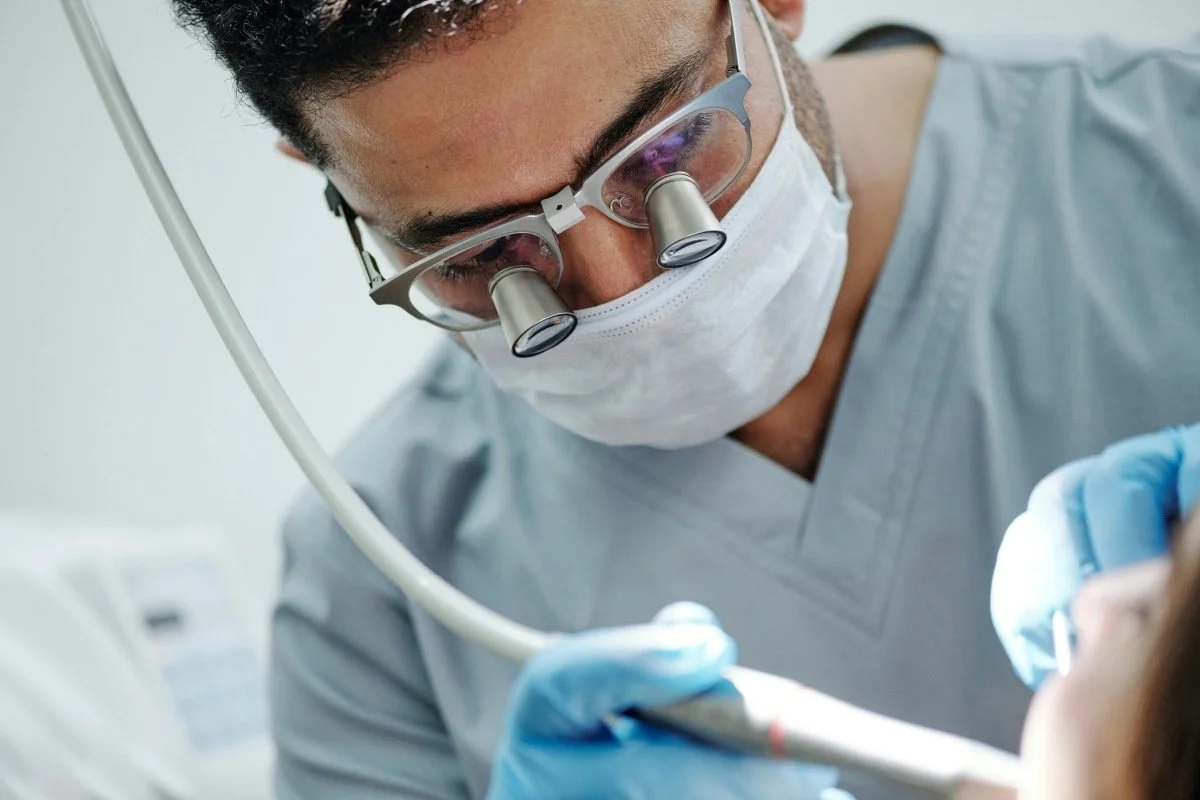
How We Help With Dental Emergencies in Cinnaminson
At Alpha Dental Spa, we know a toothache can disrupt your entire day. Our team offers:
Evaluation for severe toothaches, injuries, and infections
Same‑day emergency dental appointments whenever possible
Modern diagnostics to find the true cause of your pain
Treatment options ranging from fillings and crowns to root canal therapy or extractions when needed
We serve patients from Cinnaminson and the surrounding area. If you’re worried about a toothache or other dental problems and aren’t sure whether it’s an emergency, give our office a call at (856) 829-1989. We can talk through your symptoms and help you decide the safest next step.
Tooth pain is your body’s way of asking for help. When you know when a toothache is an emergency, you can act quickly, protect your oral health, and give your smile the best chance to heal.