When a tooth starts causing serious pain or shows signs of infection, the question often comes up: should it be saved with a root canal, or is extraction the better route? This decision isn’t always straightforward. Both treatments have their place, and understanding how dentists weigh the options can help you feel more confident about your care.
Understanding the Problem: What’s Going On Inside Your Tooth?
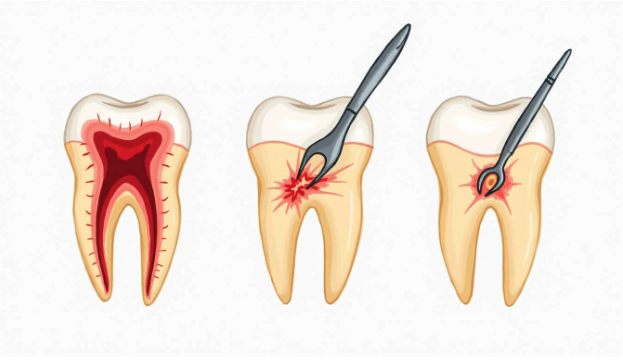
Before deciding between a root canal and extraction, it’s important to know what’s happening inside your tooth. Teeth have a soft core called the pulp, which contains nerves and blood vessels. When this pulp becomes inflamed or infected—often due to deep decay, trauma, or cracks—it can cause severe pain and sensitivity. The pulp plays a crucial role in tooth health, as it nourishes the tooth and provides sensory functions. When it is compromised, the entire tooth structure can become at risk, leading to more complex dental issues.
If the infection is left untreated, it can spread beyond the tooth, affecting the surrounding bone and gums. That’s when treatment becomes urgent. The key question is whether the tooth can be saved by removing the infected pulp or if it’s too damaged and needs to be removed entirely. Understanding the anatomy of the tooth and the potential consequences of infection can help patients make informed decisions about their dental health.
Signs That Point to Pulp Infection
Common symptoms that indicate pulp problems include persistent toothache, sensitivity to hot or cold that lingers, swelling around the tooth, and sometimes a bad taste in the mouth due to pus. These symptoms can vary in intensity and may sometimes be mistaken for other dental issues, making it essential to consult a dentist promptly. Dentists use these clues, along with X-rays and other tests, to assess the extent of the damage. In some cases, an abscess may form, leading to more severe complications if not treated quickly. The presence of an abscess can also signal that the infection has spread, necessitating more aggressive treatment options.
Additionally, it’s worth noting that some individuals may experience no symptoms at all, particularly in the early stages of pulp infection. This asymptomatic nature can lead to a false sense of security, which is why regular dental check-ups are vital. During these visits, dentists can identify potential issues before they escalate, allowing for timely interventions. Awareness of the signs and proactive dental care can significantly impact the outcome of treatment, whether it be through preserving the tooth with a root canal or opting for extraction when necessary.
Root Canal Therapy: Saving the Tooth
A root canal is a treatment designed to save a tooth that has infected or inflamed pulp. The procedure involves removing the damaged pulp, cleaning and disinfecting the inside of the tooth, and then sealing it to prevent further infection.
When Is a Root Canal the Right Choice?
Root canals are typically recommended when the tooth structure is still largely intact and the infection hasn’t spread beyond the root tip. If the tooth can be restored with a crown or filling after treatment, keeping it is often the best option.
Saving the natural tooth helps maintain proper chewing function, jawbone health, and the alignment of surrounding teeth. Plus, root canals have a high success rate, often lasting many years with proper care.
What Does the Procedure Involve?
The dentist or endodontist first numbs the area around the tooth to ensure comfort. Then, they create a small opening to access the pulp chamber and root canals. Using specialized tools, the infected tissue is removed, and the canals are shaped and cleaned. After thorough disinfection, the canals are filled with a biocompatible material called gutta-percha.
Finally, the tooth is sealed temporarily or permanently, depending on the situation. Often, a crown is placed later to strengthen the tooth and protect it from fracture.
Benefits and Drawbacks of Root Canals
Root canals preserve your natural tooth, which is a big advantage. They also avoid the need for more complex replacements like implants or bridges. However, the procedure can be time-consuming and may require multiple visits. In some cases, a tooth that has had a root canal may become brittle and more prone to cracking, which is why a crown is usually recommended afterward.
Extraction: When Removing the Tooth Is the Best Option
Sometimes, the damage to a tooth is so extensive that saving it isn’t feasible. Extraction involves removing the entire tooth from its socket. While it might sound drastic, extraction can be the safest choice in certain situations.
When Do Dentists Recommend Extraction?
Extraction is often recommended if the tooth is severely decayed, fractured beyond repair, or if there’s significant bone loss around the tooth. In cases of advanced infection that has spread to the surrounding bone, or if the tooth is causing crowding or alignment issues, removal may be necessary.
Additionally, if a tooth has failed previous root canal treatments or if the patient’s overall health makes saving the tooth risky, extraction might be the preferred option.
What Happens After Extraction?
After the tooth is removed, the dentist will provide instructions for care to promote healing and prevent infection. The empty space can be left to heal naturally, but often, replacement options are discussed to restore function and appearance.
Options include dental implants, bridges, or partial dentures. Each has its pros and cons, but implants are generally considered the closest replacement to a natural tooth.
Pros and Cons of Extraction
Extraction removes the source of pain and infection quickly and can prevent further complications. It’s a straightforward procedure in many cases and can be done under local anesthesia.
However, losing a tooth can affect chewing, speech, and the appearance of your smile. Without replacement, adjacent teeth may shift, and bone loss can occur in the jaw. These factors make planning for tooth replacement important after extraction.
Factors Dentists Consider When Choosing Between Root Canal and Extraction
Deciding between a root canal and extraction isn’t just about the tooth itself. Dentists take a holistic approach, considering multiple factors to recommend the best treatment.
Extent of Tooth Damage
If the tooth structure is mostly intact and the infection is limited to the pulp, root canal therapy is often preferred. But if the tooth is fractured below the gum line or has extensive decay that compromises its integrity, extraction may be the only viable option.
Patient’s Overall Oral Health
Healthy gums and sufficient bone support are crucial for a successful root canal. If periodontal disease or bone loss is severe, saving the tooth might not be practical. Conversely, a healthy mouth can support a root canal and crown effectively.
Patient’s Medical History and Preferences
Some medical conditions or medications can affect healing and increase the risk of complications. Dentists will consider these when recommending treatment. Patient preferences also play a role-some may want to avoid extraction if possible, while others may prefer a quicker resolution.
Cost and Time Considerations
Root canals and subsequent crowns can be more expensive upfront and require multiple visits. Extraction is usually quicker and less costly initially, but replacement options like implants add to the overall expense. Dentists discuss these factors openly to help patients make informed decisions.
Long-Term Prognosis
The expected lifespan of the tooth after treatment is a major consideration. If a root canal-treated tooth is likely to last many years, it’s often worth preserving. But if the prognosis is poor, extraction with replacement may offer better long-term results.
What to Expect During the Decision-Making Process
When you visit your dentist with tooth pain or infection, they will perform a thorough examination. This usually includes X-rays to see the extent of decay or damage, and sometimes additional imaging like a cone beam CT scan.
After evaluating your tooth and overall oral health, the dentist will explain the findings and discuss treatment options. They’ll outline the benefits, risks, costs, and what you can expect during recovery for each choice.
It’s important to ask questions and express any concerns. Understanding the reasons behind the recommendation helps you feel more comfortable and involved in your care.
Living with a Root Canal or After Extraction: What Comes Next?
Both treatments require some aftercare and lifestyle adjustments. After a root canal, maintaining good oral hygiene and regular dental visits are crucial to prevent reinfection. The tooth will need a crown to protect it from breaking.
After extraction, healing usually takes a few weeks. Avoiding hard or sticky foods, following your dentist’s instructions, and possibly using a saltwater rinse can help. Planning for tooth replacement is important to maintain function and prevent shifting of neighboring teeth.
Maintaining Oral Health to Avoid Future Problems
Whether you save your tooth or have it extracted, good oral hygiene is the foundation of lasting dental health. Brushing twice daily, flossing, and regular dental check-ups can prevent many issues that lead to root canals or extractions.
Addressing problems early, like cavities or gum disease, reduces the need for more invasive treatments down the line.
Final Thoughts: Trusting Your Dentist’s Expertise
Choosing between a root canal and extraction is a significant decision. Dentists rely on their training, experience, and diagnostic tools to recommend the best option tailored to your unique situation.
Saving your natural tooth is often the goal, but sometimes extraction is the safer, more practical choice. Open communication with your dentist, understanding the pros and cons, and considering your personal preferences will help you make the best decision for your oral health.
Remember, no matter which treatment you undergo, the ultimate aim is to relieve pain, eliminate infection, and restore your smile’s function and appearance.