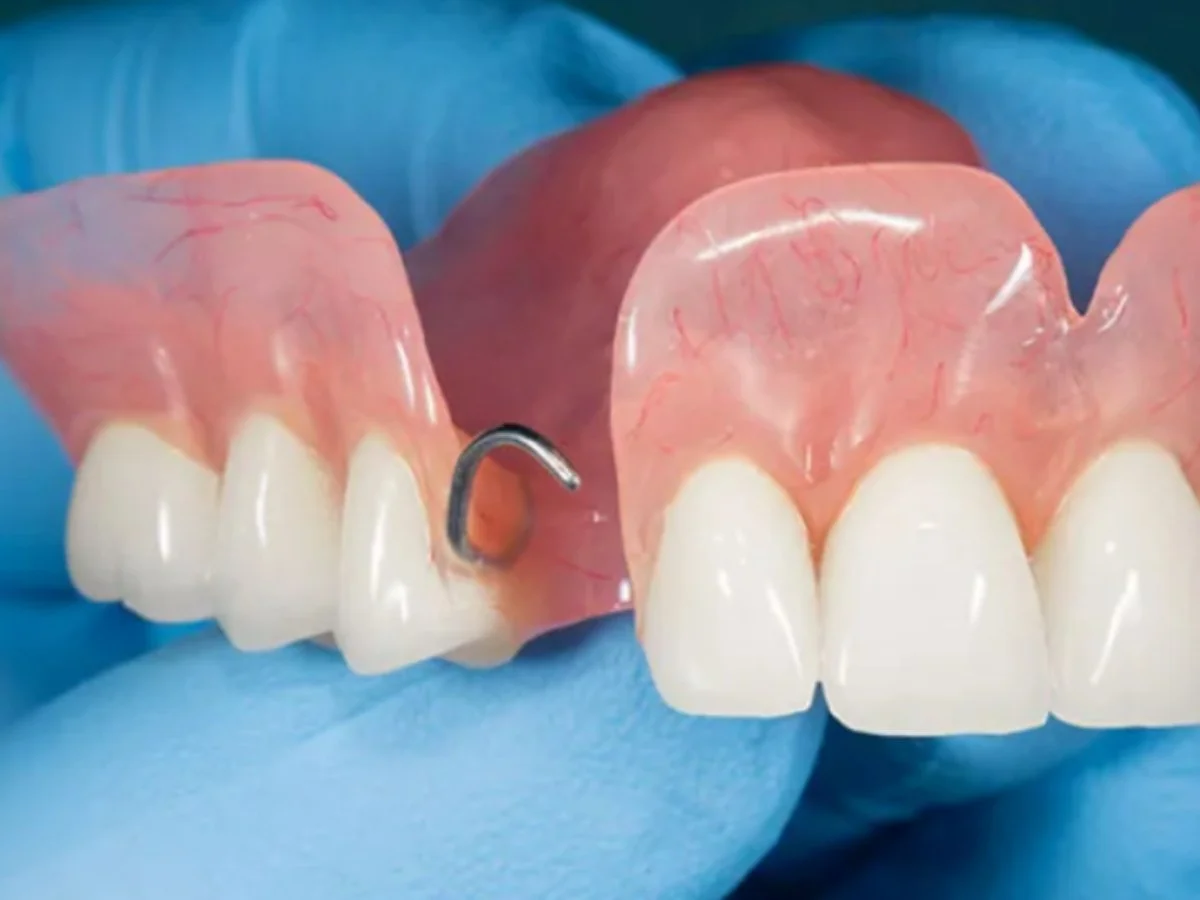
The most common problems with dentures and how to fix them include sore spots from pressure points, a loose fit caused by bone and gum changes, difficulty chewing hard foods, speech changes during the adjustment period, and staining or odor from improper cleaning. Nearly all of these issues can be resolved with a simple denture adjustment, a professional reline, or a change in your daily care routine. According to the American College of Prosthodontists, more than 36 million Americans have no natural teeth, and about 90% of them wear dentures. With that many people relying on removable prosthetics every day, denture problems are extremely common, but they do not have to be permanent. This article walks through each issue, explains why it happens, and gives you clear steps to fix it.
Sore Spots and Gum Irritation from Dentures
Sore spots are the single most common complaint among denture wearers, especially in the first few weeks after getting a new set. They happen when a small area of the denture base presses too hard against the gum tissue, creating a localized pressure point.
According to a study published in the European Journal of Cardiovascular Medicine, pain and discomfort were reported by 44% of first-time denture wearers as their primary complaint. In most cases, the soreness is not a sign that something is seriously wrong. It simply means the denture needs a minor adjustment.
Your dentist can use pressure-indicator paste to identify exactly where the denture is pressing too hard, then polish down that spot in minutes. Patients in Cinnaminson and throughout Burlington County who are dealing with persistent sore spots should schedule a follow-up rather than trying to tough it out. Rinsing with warm salt water at home can provide temporary relief between visits.
Sore spots that are left untreated can develop into mouth ulcers or lead to a condition called denture stomatitis. A systematic review published in the Journal of Fungi found that denture stomatitis affects 20% to 67% of removable denture wearers worldwide, often caused by poor fit, poor hygiene, or wearing dentures overnight.
Patients experiencing sudden or severe mouth pain should not wait for a routine appointment. That kind of discomfort can be addressed the same day in most cases.
Why Dentures Become Loose Over Time
A loose-fitting denture is one of the most frustrating problems patients face. It can make eating, speaking, and even smiling feel unreliable. The main reason dentures loosen is bone resorption. After natural teeth are removed, the jawbone no longer receives the stimulation it needs to maintain its shape. Over time, the ridge that supports the denture shrinks and flattens.
According to dental research, some patients lose two to four millimeters of bone width and one millimeter of bone height in the first six months after extraction alone. Nearly 40% of denture wearers have been wearing the same prosthesis for more than ten years, long past the point when the fit has deteriorated.
The fix for a loose denture depends on how much the fit has changed. A hard reline, which your dentist can do every two to three years, resurfaces the inside of the denture to match the current shape of your gums. If the denture is too old or damaged, a full replacement may be the better option. The American Dental Association recommends having dentures evaluated for possible replacement after five years of use.
South Jersey residents who have noticed their dentures slipping or shifting during meals should not ignore it. A loose denture does not just cause embarrassment. It can create sore spots, increase bone loss, and lead to nutritional problems from avoiding hard-to-chew foods.
Difficulty Chewing and Eating with Dentures
Many denture wearers struggle with chewing, especially during the first few weeks. Some continue to avoid certain foods for years. According to a study published in the Journal of Prosthodontics, masticatory performance in complete denture wearers is approximately 80% lower than in people with their full natural teeth. Denture wearers may need up to seven times more chewing strokes to break food down to the same particle size as someone with natural dentition.
A study published in Clinical Oral Implants Research found that even after receiving well-fitting new dentures, 30% to 50% of patients still avoided foods like raw carrots and apples. A separate study from Tufts University found that denture wearers had diets significantly lower in 19 different nutrients compared to adults without missing teeth.
The solution starts with proper fit. A denture that rocks or shifts while you chew forces you to avoid firm foods entirely. Getting regular relines and adjustments keeps the denture stable. Beyond fit, technique matters too. Chewing on both sides at the same time prevents the denture from tipping. Starting with soft foods and gradually working up to firmer textures during the adjustment period helps build confidence.
Patients in Cinnaminson and Moorestown who are still struggling with eating after the first month of wearing dentures should schedule a visit. A small adjustment to the bite or a reline can make a significant difference in chewing comfort.
Our team provides custom-fit partial and complete dentures designed for both comfort and function, and we work with every patient until the fit feels right.
Speech Changes After Getting Dentures
New dentures change the shape of the space inside your mouth, and your tongue, lips, and cheeks need time to adjust. Sounds like "s," "t," "d," and "th" are often the hardest to pronounce at first because they require precise tongue placement against the teeth.
A study published in the European Journal of Cardiovascular Medicine found that speech problems were the initial complaint of 20% of first-time denture wearers. The same study found that 70% of patients adapted within the first month, with 36% adjusting in just one to two weeks.
Reading aloud for 15 to 20 minutes a day is one of the most effective ways to speed up the adjustment. Focus on words that contain the sounds giving you trouble. Recording yourself and comparing recordings from week to week can help you track real progress.
If speech difficulties persist beyond six to eight weeks, the problem is likely the denture itself, not your adaptation. An improper fit, an overly thick palate, or a denture that extends too far back can all interfere with clear speech. Your dentist can evaluate the fit and make targeted adjustments.
We see patients from across Burlington County, including Delran, Riverton, and Palmyra, who are adjusting to new dentures. Our general dentistry team schedules follow-up visits as needed to fine-tune the fit during the adjustment period.
Denture Staining, Odor, and Plaque Buildup
Dentures collect plaque, stains, and bacteria just like natural teeth. According to the ADA, if dentures are not cleaned properly, accumulated biofilm can lead to denture stomatitis, bad breath, and even systemic health issues. The American College of Prosthodontists recommends daily brushing and soaking with a nonabrasive denture cleanser to reduce bacteria and fungi on the surface.
A cross-sectional study published in the Journal of Clinical Medicine found that about 43% of denture wearers slept with their dentures in, and 24% cleaned them with water only. Both habits allow bacteria and yeast to thrive, leading to staining, odor, and tissue irritation.
The fix is straightforward. Brush your dentures daily with a soft-bristled denture brush and a nonabrasive cleanser. Soak them overnight in a denture cleaning solution. Rinse them after every meal. Avoid regular toothpaste, baking soda, and bleach, all of which can scratch or damage the acrylic. Look for products with the ADA Seal of Acceptance.
A professional cleaning at your dentist's office can remove set-in stains and hardened calculus that home care cannot reach. Patients who keep up with their routine dental exams and cleanings are far less likely to deal with chronic staining or odor.
How to Prevent Denture Face
"Denture face" is the term used to describe the sunken, collapsed appearance that can develop in long-term denture wearers. It happens because of progressive jawbone loss. Without natural tooth roots stimulating the bone, the jaw gradually shrinks. Over time, the lower face loses height, the lips lose support, the chin appears more pointed, and wrinkles deepen around the mouth.
According to the CDC, approximately 26% of adults aged 65 and older have lost all of their natural teeth. Many of these individuals wear dentures for decades, and without regular dental care, bone loss progresses unchecked.
Well-fitting dentures that are relined on schedule help slow bone loss by distributing pressure more evenly across the ridge. Regular dental checkups allow your dentist to monitor bone changes and adjust or replace dentures before facial changes become noticeable. Good nutrition, especially adequate calcium and vitamin D, also supports bone density.
For patients who have already experienced significant bone loss, getting a professional denture evaluation is the first step toward restoring facial support and improving both comfort and appearance.
Common Denture Problems Compared
| Problem | Primary Cause | Solution | When to See Your Dentist |
|---|---|---|---|
| Sore spots | Pressure points on gum tissue | In-office adjustment | If soreness lasts more than a few days |
| Loose fit | Bone resorption and gum changes | Reline or replacement | When dentures shift during meals or speech |
| Difficulty chewing | Poor fit or incorrect bite alignment | Adjustment, reline, or bilateral chewing technique | If chewing problems persist beyond 4 weeks |
| Speech changes | Tongue and muscle adaptation needed | Practice reading aloud; adjustment if needed | If speech issues persist beyond 6-8 weeks |
| Staining and odor | Inadequate daily cleaning | Daily brushing, overnight soaking, professional cleaning | If stains or odor do not improve with daily care |
| Denture face | Progressive jawbone loss | Regular relines, replacement, proper nutrition | If facial appearance starts to change |
Sources: American Dental Association (ADA), American College of Prosthodontists (ACP), Journal of Dental Research, Journal of Fungi
Frequently Asked Questions
What Is the Most Common Problem with Dentures?
The most common problem with dentures is a loose or poor fit that leads to sore spots, difficulty chewing, and discomfort. As the jawbone and gum tissue change shape over time, dentures that once fit well begin to shift and rub. According to the ADA, ill-fitting dentures can contribute to mouth sores, bone loss, and even nutritional deficiency when patients avoid hard-to-chew foods. Regular dental visits in Cinnaminson allow your dentist to catch fit problems early and correct them with a reline or adjustment.
What Is the Average Lifespan of a Denture?
The average lifespan of a denture is five to ten years, depending on the material, how well it is maintained, and how much the mouth changes over time. The ADA recommends having dentures evaluated by a dental professional for possible replacement after five years. About 20% of denture wearers need their dentures readjusted within three years due to natural changes in the mouth. Keeping up with regular dental visits helps extend the life of your dentures and protect your oral health.
What Happens If I Leave My Dentures in Water for More Than 12 Hours?
Leaving your dentures in water for more than 12 hours is generally fine, as long as you change the water or soaking solution daily. The ADA recommends keeping dentures moist whenever they are out of your mouth to prevent the acrylic from drying out and warping. Stagnant water, however, can become a breeding ground for bacteria and fungi. Change the solution each day and rinse your dentures before wearing them again.
Can Dentures Be Repaired Twice?
Yes, dentures can be repaired more than once, depending on the type and location of the damage. Small cracks, broken clasps, and chipped teeth can often be fixed in a dental lab. However, if the denture has been repaired multiple times or the acrylic base has weakened, a replacement may be the better long-term option. Your dentist can evaluate the condition of the denture and recommend the right course of action. Patients in the Cinnaminson and Moorestown area who have a broken denture should bring it in rather than attempting a repair at home with superglue, which is toxic and can ruin the prosthesis.
How Many Years Should You Change Your Dentures?
You should have your dentures evaluated for replacement every five to seven years, according to the ADA. Some dentures last up to ten years with proper care and regular relines. However, the jawbone continues to change shape throughout your life, and dentures that are not updated will eventually lose their fit. Wearing outdated dentures accelerates bone loss, increases the risk of sore spots and infections, and makes it harder to eat a balanced diet.
What to Wear at Night Instead of Dentures?
At night, you should remove your dentures and let your gums rest. There is no need to wear anything in place of them while you sleep. A landmark study published in the Journal of Dental Research found that sleeping with dentures in increases the risk of pneumonia by 2.3 times in elderly adults. Removing dentures at night reduces bacterial buildup, allows blood flow to return to the gum tissue, and helps prevent oral infections that may require professional care. Store your dentures in a glass of lukewarm water or a denture soaking solution overnight.
The Bottom Line
Denture problems are common, but they are almost always fixable. Sore spots, loose fit, trouble chewing, speech changes, and staining all have clear solutions. The key is not to wait. Small problems get worse when they are ignored, and a quick adjustment today can prevent a much bigger issue down the road.
According to the American Dental Association, more than 120 million people in the United States are missing at least one tooth. For the millions who depend on dentures, regular dental care is not optional. It is the difference between a denture that works well and one that causes daily frustration.
We have been serving patients across Cinnaminson, Moorestown, Maple Shade, Mount Laurel, and the surrounding South Jersey community for over 30 years. Whether you need a denture adjustment, reline, or a brand-new set, our team is here to make the process comfortable and straightforward.
Alpha Dental has been a trusted dental home for families across Cinnaminson and the Philadelphia metro area for over three decades.
We accept most PPO dental insurance plans and offer an in-office savings plan for patients without coverage.
If a toothache or dental pain is making things worse alongside your denture issues, knowing whether you need emergency dental attention can help you act fast and avoid complications.
Patients weighing whether to save a damaged tooth or move forward with a denture can find helpful context in our discussion of root canals compared to extractions.
Residents in Moorestown and Cinnaminson who need same-day care for a dental emergency can reach us at (856) 829-1989.